The Sacred Calendar and the Maya Nawal:
Decoding Interlocking Cycles, Day-Sign Energies, and Mesoamerican Cosmology
By Librarian Joséf Sánchez Coach | Visit josef.sesy.ai
I. History and Cosmology of the Maya Nawal
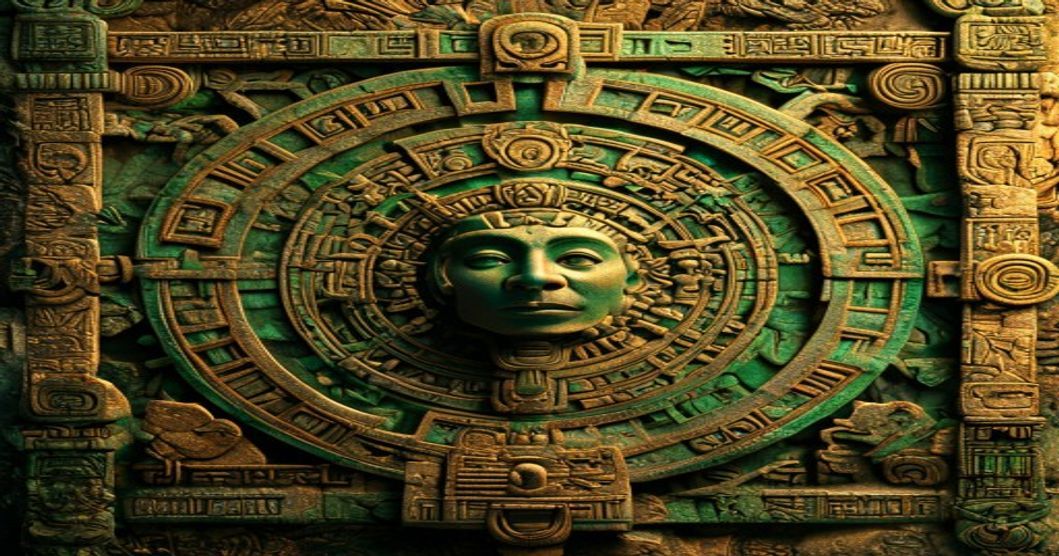
The Sacred Calendar of the ancient Maya stands as a complex, sophisticated system of interlocking temporal cycles used to measure time, predict celestial events, and comprehend the inner workings of the cosmos. At its absolute core, the nawal (or nahual) functions within a 260-day cycle generated by pairing 20 day-signs with 13 numbers ($20 \times 13 = 260$), with each daily coordinate representing a unique combination of spiritual energies and natural characteristics. In this comprehensive academic treatise, preserved within our digital open library, we explore the history, cosmology, and practical applications of the Maya Nawal.
Developing into full monumental expression during the Classic Period (200–900 CE), the calendario maya served both ceremonial and administrative purposes across Mesoamerica. Time was conceptualized through three main interlocking cycles: the Tzolk’in (the 260-day sacred round), the Haab’ (the 365-day solar year), and the B’ak’tun (a 144,000-day macro-cycle of the Long Count). Each cycle was connected to specific deific forces, maintaining cosmic balance between human society, nature, and the divine.
II. The Tzolk’in: A Cycle of Renewal and Interlocking Systems
The Tzolk’in is the most sacred and revered cycle of the Maya Nawal system. It consists of 20 distinct day-signs and 13 galactic tones that continuously interlock to form a complex web of spiritual correspondences. The Tzolk’in is understood as a perpetual cycle of renewal, where each day-sign reflects a specific aspect of human nature, biology (~9 lunar gestation months), and the natural environment.
To understand how the Nawal operates within the wider chronometry preserved in the mayan library, the table below outlines the structural relationships between the primary calendar counts:
| Calendar Cycle | Duration & Math Mechanics | Primary Function & Cosmological Scope |
|---|---|---|
| The Tzolk’in | 260 Days ($13 \text{ Tones} \times 20 \text{ Signs}$) | Qualitative sacred round tracking spiritual energies, personal birth nahuales, divination, and human gestation. |
| The Haab’ | 365 Days ($18 \text{ Months} \times 20 \text{ Days} + 5$) | Civil solar year tracking physical seasons, agricultural sowings, and annual community festivals. |
| The B’ak’tun (Long Count) | 144,000 Days ($20 \text{ K’atuns}$) | Macrocosmic linear astronomical tally measuring vast historical epochs (~394.26 solar years) from Creation ($13.0.0.0.0$). |
III. Epigraphic Master Catalog: The 20 Authentic Sacred Day-Signs
Each day-sign in the maya nahual matrix possesses its own unique vibration, zoomorphic totem, and elemental property. These signs serve as diagnostic guides for character analysis, spiritual development, traditional medicine, and community balance.
Below is the complete, academically verified catalog of all 20 sacred day-signs cycling through the Tzolk’in, restoring their correct Yucatec and K’iche’ naming conventions, natural totems, elemental associations, and core spiritual energies:
| Day-Sign (Yucatec / K’iche’) | Natural Totem & Direction | Cosmological Energy & Deific Associations |
|---|---|---|
| 1. Imix / Imox | Crocodile / Primordial Water (East – Red) | Primordial ocean, maternal nurture, deep fertility, abundance, intuition, and absolute creative inception. Associated with Kinich Ahau (Solar Energy). |
| 2. Ik’ / Iq’ | Wind / Divine Air (North – White) | Divine breath of life, spirit, dynamic communication, intellect, vision, and atmospheric vitality. Associated with Itzamna (Creator / Feathered Serpent). |
| 3. Ak’b’al / Aq’ab’al | Night / Cave (West – Black/Blue) | Sanctuary of darkness, structural stability, domestic hearth, grounding, and hidden potential. Associated with K’awil / Ah Puch. |
| 4. K’an / K’at | Lizard / Maize Seed (South – Yellow) | Vital spark of life, agricultural abundance, resource gathering, adaptation, and physical growth. Associated with Maize Deities. |
| 5. Chikchan / Kan | Celestial Serpent (East – Red) | Serpentine life force, raw physical energy, passion, success, achievement, and rapid transformation. Associated with Sky Serpents. |
| 6. Kimi / Kame | Owl / Death Transformer (North – White) | Necessary transition, letting go of old patterns, ancestral wisdom, renewal, and spiritual rebirth. Associated with Ancestral Guardians. |
| 7. Manik’ / Kej | Deer / Healing Hand (West – Black/Blue) | Grasping hand of healing, physical strength, wilderness protection, warmth, and creative solar energy. Associated with Forest Deities. |
| 8. Lamat / Q’anil | Rabbit / Venus Star (South – Yellow) | Cosmic multiplication, art, aesthetic beauty, adaptation, resilience, and seed germination. Associated with Venus Deities. |
| 9. Muluk / Toj | Water Jade / Offering Fire (East – Red) | Ceremonial fire and water, repayment of karmic debts, gratitude, emotional fluidity, and rebirth. Associated with Chaac (Rain God). |
| 10. Ok / Tz’i’ | Dog / Underworld Guide (North – White) | Loyal companion, fiery passion, spiritual justice, unconditional love, and underworld guidance. Associated with Underworld Guides. |
| 11. Chuwen / B’atz’ | Monkey / Master Artisan (West – Black/Blue) | Master weaver of time, human creativity, intellectual playfulness, agility, intuition, and art. Associated with Artisan Deities. |
| 12. Eb’ / E | Road / Human Destiny (South – Yellow) | Path of human destiny, high perspective, circulatory health, community progress, and spiritual travel. Associated with Traveler Guardians. |
| 13. B’en / Aj | Reed / Cornstalk Pillar (East – Red) | Pillar of community, quickness, personal authority, home foundation, and vertical growth. Associated with Domestic Deities. |
| 14. Ix / B’alam | Jaguar / Earth Magic (North – White) | Nocturnal terrestrial power, stealth, strength, courage, fertility, feminine magic, and jungle authority. Associated with Earth Mothers. |
| 15. Men / Tz’ikin | Eagle / Sky Bird (West – Black/Blue) | High visionary perspective, prophetic insight, intuition, transformation, material success, and sky connection. Associated with Bird Spirits. |
| 16. Kib’ / Ajmaq | Vulture / Armor Candle (South – Yellow) | Karmic cleansing, ancestral forgiveness, renewal, transformation, deep introspection, and wisdom. Associated with Ancestral Elders. |
| 17. Kab’an / No’j | Earthquake / Active Mind (East – Red) | Active intellect, seismic earth movement, stability, structure, protection, and collective thought. Associated with Earth Movement Deities. |
| 18. Etz’nab’ / Tijax | Flint Blade / Obsidian Mirror (North – White) | Mirror of truth, thorn of defense, sharp blade cutting through illusion, healing, and clarity. Associated with Healers. |
| 19. Kawak / Kawoq | Rain Tempest / Midwife (West – Black/Blue) | Tempest of renewal, family unity, emotional clearing, spiritual growth, intuition, and fertility. Associated with Rain and Midwifery Gods. |
| 20. Ajaw / Junajpu | Sun Lord / Hero Twin (South – Yellow) | Solar warmth, light, creative energy, spiritual leadership, hero twin mastery, and divine culmination. Associated with Kinich Ahau (The Sun Lord). |
IV. Periods of the Nawal Cycle and Celestial Associations
The maya meaning of time expands when examining how the 20 day-signs lead 13-day periods (trecenas) across the 260-day Nawal cycle. Each trecena is initiated by a primary day-sign that sets the overarching energetic tone and governs a unique sequence of natural phenomena and astronomical observations.
| Period Leader | Governing Day-Signs Sequence | Celestial & Natural Associations |
|---|---|---|
| Imix | Imix, Ik’, Ak’b’al, K’an, Chikchan, Kimi, Manik’, Lamat, Muluk, Ok, Chuwen, Eb’, B’en | Water, Rain, Primordial Fertility, Atmospheric Storms, Celestial Snake, Ancestral Rebirth |
| Ix | Ix, Men, Kib’, Kab’an, Etz’nab’, Kawak, Ajaw, Imix, Ik’, Ak’b’al, K’an, Chikchan, Kimi | Terrestrial Earth, Jaguar Power, Earth Magic, Cave Sanctum, Rock Foundations, Seismic Movement |
| Manik’ | Manik’, Lamat, Muluk, Ok, Chuwen, Eb’, B’en, Ix, Men, Kib’, Kab’an, Etz’nab’, Kawak | Wilderness Vitality, Healing Hands, Venus Transits, Cloud Cover, Celestial Dog, Rain Offerings |
| Ahau (Ajaw) | Ajaw, Imix, Ik’, Ak’b’al, K’an, Chikchan, Kimi, Manik’, Lamat, Muluk, Ok, Chuwen, Eb’ | Solar Zenith, Divine Light, Illumination, Hero Twin Mastery, Cosmic Order, Ruler Accession |
| B’en | B’en, Ix, Men, Kib’, Kab’an, Etz’nab’, Kawak, Ajaw, Imix, Ik’, Ak’b’al, K’an, Chikchan | Green Cornstalk, Reed Pillars, Growth Forces, Vertical Connection, Solar Radiance, Agricultural Sowing |
V. Practical Applications, Divination, and Living Heritage
The Maya Nawal has practical applications in various areas of Maya life, including agriculture, medicine, divination, and spiritual growth. By interpreting the day-sign and galactic number of a given day, traditional daykeepers (Ajq’ijab) evaluate the outcome of complex situations, balance energetic blockages, promote emotional healing, and guide individuals toward higher states of self-awareness.
The nawal day-signs are not relics of an ancient past; they remain actively practiced today across highland Guatemala, Chiapas, and the Yucatán Peninsula. Travelers riding the modern tren maya across the Yucatán Peninsula or exploring coastal sanctuaries along the Riviera Maya and Costa Maya walk through a physical landscape engineered to capture these calendar cycles. Whether staying at a culturally harmonized hotel maya near Playa del Carmen or studying ancient codices, engaging with the true meaning of the day-signs offers modern seekers a grounding framework for living in conscious alignment with the earth.
VI. Frequently Asked Questions & Your Personal Oracle
As global interest in Mesoamerican timekeeping continues to expand, our archival team regularly clarifies key inquiries regarding the nawal day-signs:
- What is the significance of the number 13 in the Maya Nawal? The number 13 represents the 13 Galactic Tones that articulate creation, destruction, and spiritual maturation. Cosmologically, 13 mirrors the union of three primary cosmic layers (the solar, lunar, and terrestrial realms) across the 13 heavens of Maya cosmology.
- How do daykeepers use the Maya Nawal for divination? Daykeepers (Ajq’ijab) evaluate the specific combination of a day-sign and a galactic number (1 to 13) for the current date or an individual’s birth date, interpreting the resulting energetic frequency to provide spiritual counsel.
- Are the nawal day-signs still used today by Maya communities? Yes. Living Maya daykeepers actively maintain the 260-day count for spiritual counseling, ancestral fire ceremonies, agricultural guidance, traditional medicine, and cultural heritage preservation.
Discover Your Personal Nahual Oracle
Are you ready to calculate the exact ancestral energies imprinted upon you at the moment of your birth?
Get your Free Mexican Nahual Oracle Written by Josef S.
An exclusive, mathematically precise report engineered to decode your unique spiritual destiny.
If you feel a profound calling to physically connect with the ancient lands where these sacred counts were carved into stone, we highly encourage booking your next mindful journey through our trusted luxury partners at Tulum rent and Sesy rent—providing exquisite, spiritually harmonized accommodations along the Mexican Caribbean. Furthermore, elevate your daily rituals by visiting sesy.shop to explore our curated collection of meditation tools, authentic artisan crafts, and deep-dive literature.
References & Further Reading (APA)
- Aveni, A. F. (2001). Skywatchers: A Revised and Updated Version of Skywatchers of Ancient Mexico. University of Texas Press.
- Barrios, C. (2009). The Book of Destiny: Unlocking the Secrets of the Ancient Maya. HarperOne.
- Christenson, A. J. (2007). Popol Vuh: The Sacred Book of the Maya. University of Oklahoma Press. External Link: Wikipedia – Popol Vuh
- Coe, M. D., & Houston, S. (2015). The Maya (9th ed.). Thames & Hudson. External Link: Wikipedia – Maya Civilization
- FAMSI (Foundation for the Advancement of Mesoamerican Studies). (2021). Mysteries of the Maya Nawal Day-Signs.
- Freidel, D., Schele, L., & Parker, J. (1993). Maya Cosmos: Three Thousand Years on the Shaman’s Path. William Morrow and Company.
- Instituto Nacional de Antropología e Historia (INAH). (2022). Cosmovisión y los Arquetipos del Tzolk’in.
- Johnson, K. (2012). Mayan Calendar Astrology: Mapping Your Inner Cosmos. Destiny Books.
- Sánchez, J. (2026). Mysteries of the Maya Nawal Day-Signs. The Mayan Library Repository.
- Smithsonian National Museum of the American Indian (NMAI). Living Maya Time: The Sacred Tzolk’in Cycle.
- Tedlock, B. (1992). Time and the Highland Maya (Revised ed.). University of New Mexico Press.