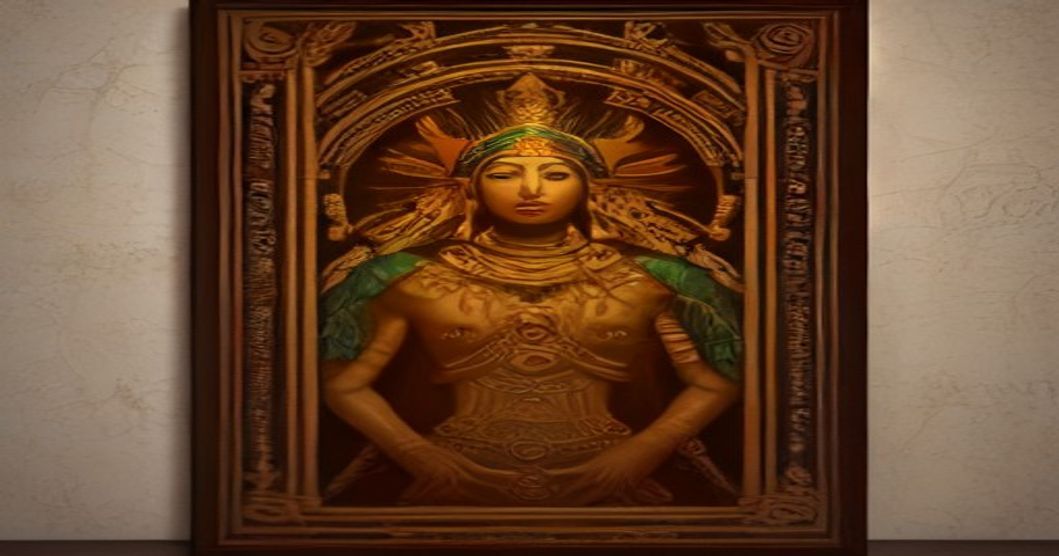
The Significance of the Maya Nahual:
Bridging the Cosmos and the Natural World
By Librarian Joséf Sánchez Coach | Visit josef.sesy.ai
I. The True Spiritual Essence of the Nahual
The term nahual is deeply ingrained in the fabric of ancient and modern cultura maya, referring to a profoundly complex and multifaceted concept that transcends simple Western translation. As reverent scholar-guardians of this ancestral wisdom, it is absolutely essential to approach this delicate topic with cultural sensitivity and academic accuracy, carefully distinguishing between popularized legend and robust epigraphic evidence. Our mission within the open library is to provide a comprehensive understanding of the nahuales mayas in Mesoamerican cosmology, exploring their profound symbolism, cosmological significance, and enduring relevance to modern indigenous identity.
Historically, the maya nahual is frequently misunderstood by outsiders as a literal shapeshifting ability—a magical trait attributed to certain shamanic individuals in localized mythology. However, this narrow perspective tragically overlooks the true nature of the nahual as a foundational spiritual concept. Rooted securely in the Maya worldview, the nahual represents a vital, breathing connection between the human microcosm and the natural macrocosm. It embodies the cyclical forces of the earth, the weather, and the intrinsic interconnectedness of all living beings, serving as the spiritual anchor for the entire civilization.
II. The Divine Connection: Ahau and the Cosmos
To truly decipher the mayan library of spiritual texts, we must examine how this archetype interacts with the celestial pantheon. The Maya nahual is closely tied to the concept of the Ahau (often interpreted as the sun god or divine lord), who is universally revered as the supreme source of life, cosmic energy, and spiritual power. The Ahau is traditionally depicted as a radiant celestial being, endlessly traversing the cosmos in a divine journey across the sky and through the underworld. In this context, the nahual is seen as a direct terrestrial manifestation of this divine solar energy.
This powerful connection underscores the theological reality that the nahual is not merely a creature of magic, but a sacred vessel for the divine. It actively facilitates the bridge between the heavy material world and the invisible spiritual realms. Furthermore, this dynamic is beautifully supported by connections to other grand deities such as K’awiil (the god of lightning and sustenance) and Itzamna (the primordial creator). These deities, each possessing distinct roles and responsibilities, contribute to the rich tapestry of Maya spirituality, with the nahual acting as the crucial intermediary in the grand cosmic dance.
III. Kinship, Ecology, and Universal Balance
One of the primary and most practical functions of the nahual is to facilitate flawless communication between humanity and the natural environment. In this ecological context, the nahual serves as an energetic mediator, allowing initiated individuals to tap directly into the ancient wisdom of the forest, the rivers, and the stars. This understanding is deeply rooted in the Maya concept of “kinship,” a philosophy which aggressively emphasizes the interconnectedness of all living entities and the absolute necessity of reciprocity with nature. When modern travelers explore the Riviera Maya or seek solace near Playa del Carmen, they are stepping into ecosystems that the Maya viewed as living relatives.
By embodying these cycles, the nahual actively helps to regulate the forces of creation, ensuring that the natural world remains in perfect equilibrium. This profound understanding of cosmic balance is mathematically reflected in the calendario maya. Through ritual and observation, the daykeepers utilized the nahual to predict weather patterns, manage agricultural yields, and maintain the fragile harmony of their environment—a lesson highly relevant to our modern ecological challenges.
IV. The Tzolk’in and Sacred Day-Signs
A fundamental aspect of the nahual is its unbreakable connection to the Tzolk’in, the sacred mayan calendar used to meticulously measure spiritual time. This calendar consists of 260 days, constructed from a recurring cycle of 13 numeric tones and 20 specific day-signs. The day-signs represent the archetypal nahuales, linking daily time to specific animals, plants, or meteorological phenomena. By aligning with these signs, individuals maintain their spiritual connection to the cycles of creation.
Below is a precise, curated academic table illustrating a selection of these powerful day-signs and their primary natural associations as understood in classical Mesoamerican cosmology.
| Sacred Day-Sign (Nahual) | Elemental & Cosmological Association |
|---|---|
| Imox (Imix) | Water; represents the primordial oceans, subconscious depth, and the origin of creation. |
| Ix (B’alam) | Wind / Earth Magic; symbolizes the breath of life, feminine power, and terrestrial energy. |
| Men (Tz’ikin) | Thunder / Eagle; embodies high perspective, sudden atmospheric shifts, and divine vision. |
| Chuen (B’atz’) | Earth / Artisan; signifies the weaver of time, artistic creation, and the foundations of human history. |
V. Frequently Asked Questions & Your Oracle
As the appreciation for Mesoamerican cosmology expands, we address the most pertinent questions from those seeking to understand the living legacy of the nahuales:
- What is the primary role of the Nahual in Maya spirituality? The Nahual serves as a vital mediator between humanity and the natural world, facilitating profound communication, ecological respect, and the maintenance of balance within the cosmos.
- How does the Nahual directly relate to the Tzolk’in calendar? The 20 day-signs of the Tzolk’in are the specific archetypal nahuales. They represent the spiritual and elemental energies that govern each day, guiding agricultural, social, and spiritual cycles.
- What is the significance of the Ahau in relation to the Nahual? The Ahau is the ultimate source of solar and spiritual power. The Nahual is the terrestrial vehicle or manifestation of this energy, physically bridging the divine heavens with the material earth.
- How does the Nahual relate to the concept of kinship? It aggressively emphasizes that humans are not separate from nature. Through the Nahual, all living beings—plants, animals, and humans—are viewed as interconnected kin, demanding reciprocity and profound respect.
Embrace Your Natural Kinship
Are you ready to unveil the specific natural force that mediates your spiritual journey?
Get your Free Mexican Nahual Oracle Written by Josef S.
An expertly curated report to calculate your personal archetype and cosmic rhythm.
If you feel called to reconnect with the earth by visiting the ancestral heartlands, we highly suggest booking your next conscious retreat via our premium hospitality partners at Tulum rent and Sesy rent—offering perfectly balanced, luxury accommodations along the lush Mexican Caribbean. Enhance your daily connection to nature by visiting sesy.shop, where you can browse our exclusive collection of sacred botanical tools, artisanal crafts, and essential reading.
References & Further Reading
- Bassie-Sweet, K. (2008). Maya Sacred Geography and the Creator Deities. University of Oklahoma Press.
- Carmack, R. M. (1981). The Quiché Mayas of Utatlán: The Evolution of a Highland Guatemala Kingdom. University of Oklahoma Press.
- Christenson, A. J. (2007). Popol Vuh: The Sacred Book of the Maya. University of Oklahoma Press.
- Coe, M. D. (2011). The Maya (8th ed.). Thames & Hudson.
- Freidel, D., Schele, L., & Parker, J. (1993). Maya Cosmos: Three Thousand Years on the Shaman’s Path. William Morrow and Company.
- Houston, S. D., & Stuart, D. (1989). The Way Glyph: Evidence for “Co-essences” among the Classic Maya. Center for Maya Research.
- Miller, M., & Taube, K. (1993). The Gods and Symbols of Ancient Mexico and the Maya. Thames and Hudson.
- Rice, P. M. (2007). Maya Calendar Origins: Monuments, Mythistory, and the Materialization of Time. University of Texas Press.
- Sánchez, J. (2026). The Spiritual Architecture of the Nahual. The Mayan Library Repository.
- Tedlock, B. (1992). Time and the Highland Maya (Revised ed.). University of New Mexico Press.
- Vogt, E. Z. (1976). Tortillas for the Gods: A Symbolic Analysis of Zinacanteco Rituals. Harvard University Press. External Link: Wikipedia – Maya Religion