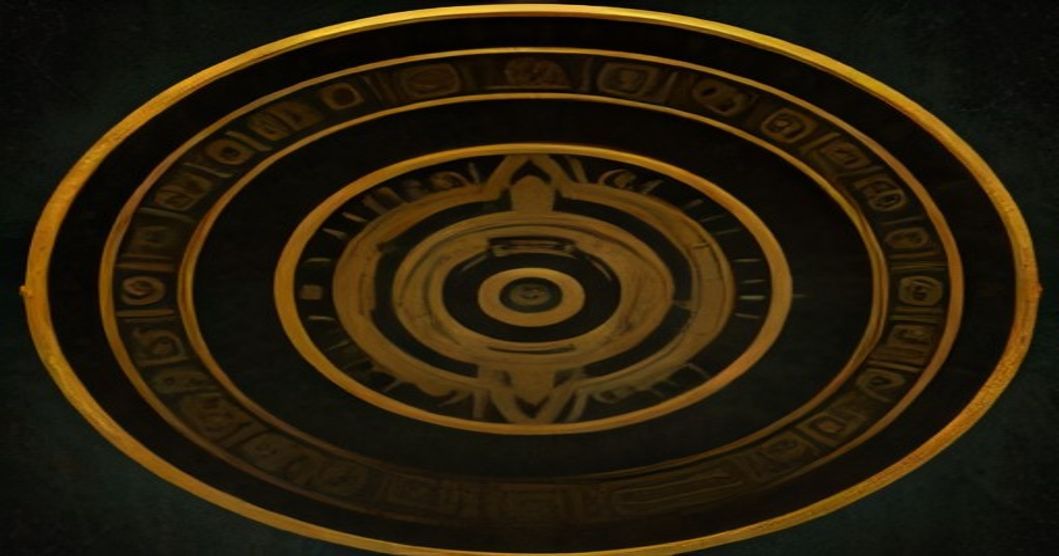
Mystical Dimensions of Maya Cosmology:
The Spiritual Underpinnings of the Nahual
By Librarian Joséf Sánchez Coach | Visit josef.sesy.ai
I. Introduction to Nahual Cosmology
The mayan calendar and its overarching cosmology offer an unparalleled window into the philosophical and spiritual depths of one of history’s most advanced civilizations. By thoroughly examining the layered meanings and correlations of the day-signs, we can gain a profound understanding of the complex relationships forged between the indigenous populations, their lush environment, and the celestial bodies above. Through the continuous digitization of records within our open library, we delve into the mystical world of the maya nahual, exploring its historical genesis, its monumental significance, and the ways in which it continues to actively inspire and inform cultura maya today.
The term nahual (or nawal) encompasses a vast system of energetic archetypes. It is built upon the interaction between 13 sacred numbers (or galactic tones), 20 distinct day-signs, and the complex mythology of the Mesoamerican pantheon. This network of symbols is firmly rooted in the concept of the interconnected universe—a reality that exists where the physical world parallels a deeply spiritual dimension inhabited by ancestral spirits and deities. By exploring the mayan library, we uncover a worldview characterized by a profound respect for the natural environment, where every stone, river, and star holds a conscious, breathing energy.
II. The History and Refinement of the Cosmology
The precise origins of this cosmological architecture are shrouded in antiquity, yet epigraphic consensus traces its formalized development to the Classic Period (200–900 CE) across the Mesoamerican Lowlands. During this intellectual golden age, astronomers developed an immensely sophisticated system of hieroglyphic writing and mathematical record-keeping. This allowed them to impeccably track the synodic movements of Venus, the phases of the moon, and the interlocking cycles of the 260-day Tzolk’in and the 365-day Haab calendars. The nahuales mayas were believed to hold the explicit power of the gods and were actively utilized to govern state rituals, royal successions, and daily agricultural rhythms.
The endurance of this system is nothing short of miraculous. Following the Post-Classic period and the eventual Spanish conquest, the system was driven underground, safeguarded by traditional daykeepers. Today, as global travelers ride the tren maya to witness the ruins of the Riviera Maya or seek tranquility in a coastal hotel maya near Playa del Carmen, they are observing the physical remnants of a civilization that measured its history against the stars. The maya meaning preserved in these calendars remains a vibrant, unbroken lineage.
III. The 13 Tones and 20 Sacred Signs
To correct common historical mistranslations, it is vital to understand that the Tzolk’in is not simply a list of 13 arbitrary gods correlated to modern planets. Instead, it is a mathematical matrix of 13 galactic numbers (tones of creation) that combine with 20 day-signs (the nahuales). While modern astrology maps planets like Uranus and Neptune, the ancient indigenous astronomers primarily mapped the Sun, Moon, Venus, and Mars, attributing deeply spiritual, terrestrial characteristics to the day-signs.
From the primordial waters of Imix to the masterful artisan energy of Chuwen, these archetypes dictate the energetic frequency of time. The table below provides an academically corrected overview of key concepts within this sacred structure, designed for optimal clarity.
| Sacred Concept (Nahual) | Cosmological Significance |
|---|---|
| Imix (Primordial Water) | Represents the energetic womb of creation, the subconscious, and the absolute origin of the calendar. |
| Lamat (Star / Venus) | Corresponds directly to the cycles of Venus, symbolizing cosmic beauty, multiplication, and art. |
| Chuwen (Monkey / Artisan) | Embodies human creativity, the weaving of history, intelligence, and the joy of spiritual play. |
| Kimi (Death / Transformation) | Signifies the crucial cycles of ending, ancestral reverence, and the spiritual necessity of rebirth. |
| Ajaw (Sun / Divine Lord) | The ultimate day-sign representing solar enlightenment, divine connection, and the culmination of time. |
IV. Deities, Myths, and Celestial Alignments
The 20 archetypal day-signs are heavily governed by the pantheon of deities that preside over the natural world. Each god—from the rain-bringer Chaac to the creator Itzamna—is intrinsically associated with specific segments of the mayan calendar. Together, they form a complex network of meanings that dictates agricultural planting, the outbreak of seasonal rains, and the timing of sacred warfare. By understanding these divine relationships, we can fully appreciate how the civilization saw itself as an active participant in maintaining the balance of the universe, rather than a passive observer.
This holistic view of the cosmos is vividly apparent when touring the architectural marvels of the Costa Maya and beyond. The temples were designed as physical manifestations of this cosmology, capturing equinox shadows and solar alignments that perfectly matched the day-signs. Today, the preservation of this knowledge allows modern individuals to utilize the calendar not as an ancient relic, but as a living philosophical framework for deep personal alignment and ecological respect.
V. Frequently Asked Questions & Your Cosmic Path
As the digitization of this profound wisdom expands, our repository regularly clarifies essential questions from those eager to connect with their personal astrology:
- What is the core purpose of the day-signs in this cosmology? The day-signs were utilized across every facet of life—from intimate naming ceremonies to massive state rituals. They were believed to hold the energetic imprint of the cosmos, allowing humans to navigate the cyclical nature of time in perfect harmony with nature.
- How do the day-signs interact with the broader calendar system? The 20 nahuales multiply seamlessly with the 13 galactic numbers to form the 260-day Tzolk’in. This sacred count then interlocks with the 365-day Haab to create the 52-year Calendar Round, synchronizing human life with larger solar and planetary rhythms.
- How can this ancient system benefit modern individuals? By calculating your specific birth nahual, you gain a remarkably accurate psychological and spiritual mirror. It provides an ancestral roadmap for uncovering inherent talents, overcoming karmic hurdles, and achieving absolute self-actualization.
Illuminate Your Cosmic Blueprint
Are you ready to unlock the ancestral energies and celestial forces that shaped your exact moment of birth?
Get your Free Mexican Nahual Oracle Written by Josef S.
An exclusive, personalized report meticulously designed to decode your unique spiritual destiny.
If you feel the powerful urge to physically explore the architectural marvels where these cosmological systems were born, we highly recommend planning your next mindful retreat via our premium hospitality partners at Tulum rent and Sesy rent—offering exquisitely harmonized luxury accommodations on the Mexican Caribbean. Furthermore, elevate your daily rituals by visiting sesy.shop to browse our curated collection of spiritual tools, ancestral crafts, and profound literature.
References & Further Reading (APA)
- Aveni, A. F. (2001). Skywatchers: A Revised and Updated Version of Skywatchers of Ancient Mexico. University of Texas Press.
- Bricker, V. R., & Bricker, H. M. (2011). Astronomy in the Maya Codices. American Philosophical Society.
- Christenson, A. J. (2007). Popol Vuh: The Sacred Book of the Maya. University of Oklahoma Press. External Link: Wikipedia – Popol Vuh
- Coe, M. D., & Houston, S. (2015). The Maya (9th ed.). Thames & Hudson.
- FAMSI (Foundation for the Advancement of Mesoamerican Studies). (2021). Nahual Cosmology and the 260-Day Count.
- Freidel, D., Schele, L., & Parker, J. (1993). Maya Cosmos: Three Thousand Years on the Shaman’s Path. William Morrow and Company.
- Instituto Nacional de Antropología e Historia (INAH). (2022). Cosmovisión, Religión y Calendarios.
- Johnson, K. (2012). Mayan Calendar Astrology: Mapping Your Inner Cosmos. Destiny Books.
- Sánchez, J. (2026). Mystical Dimensions of Maya Cosmology: The Nahual Day-Signs. The Mayan Library Repository.
- Smithsonian National Museum of the American Indian (NMAI). Living Maya Time: The Spiritual Underpinnings of the Cosmos.
- Tedlock, B. (1992). Time and the Highland Maya (Revised ed.). University of New Mexico Press.