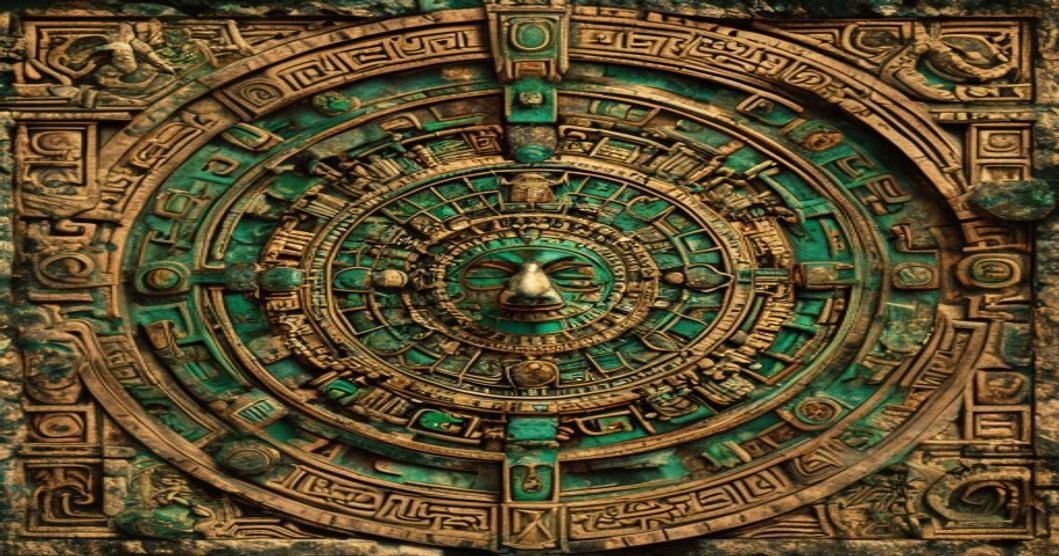
The Tzolkin: A Key to Maya Cosmology
The Tzolkin calendar is a fundamental component of Maya cosmology, comprising 260 days of interlocking cycles that govern the spiritual, social, and natural worlds. By understanding the Tzolkin, we can gain insight into the Maya’s complex and multifaceted cosmology, which has captivated scholars and enthusiasts for centuries.
At the heart of Maya cosmology lies the concept of time, which is perceived as a fluid, cyclical process. The Tzolkin calendar is a manifestation of this concept, with its 260 days divided into 20 periods of 13 days each. Each day is associated with a specific combination of a day-sign and a number, creating a unique glyph that holds spiritual and symbolic significance.
Understanding the Tzolkin Calendar
History of the Tzolkin
The Tzolkin calendar has its roots in ancient Mesoamerica, with evidence of its use dating back to the Classic Period (200-900 CE). The calendar was used by various Maya cities, including Tikal, Palenque, and Calakmul, each with their unique interpretations and associations.
Structure of the Tzolkin
The Tzolkin calendar is composed of two main components: the Haab and the Tzolkin. The Haab is a solar calendar, measuring 365.24 days, while the Tzolkin is a sacred calendar, measuring 260 days. The Tzolkin is divided into 20 periods of 13 days each, creating a unique glyph for each day.
Day-Signs and Numbers
Each day of the Tzolkin calendar is associated with a specific day-sign and number, creating a unique glyph. The 20 day-signs are: Imix (water), Iq (seed), Aq’ab (jaguar), Kan (water), Chuen (wind), Cimi (death), Manik (snake), Lamat (jaguar), Muluc (water), Oc (obsidian), Chikchan (success), Kimi (seed), Manik (snake), Lamat (jaguar), Muluc (water), Oc (obsidian), Chikchan (success), Kan (water), and Ahau (sun). The 13 numbers range from 1 to 13, each with its unique energy and significance.
Calendar Correlations
| Maya City | Tzolkin Calendar | Haab Calendar |
|---|---|---|
| Tikal | 20 x 13 = 260 days | 365.24 days |
| Palenque | 20 x 13 = 260 days | 365.24 days |
| Calakmul | 20 x 13 = 260 days | 365.24 days |
Tzolkin in Maya Astrology
Tzolkin Cycles
The Tzolkin calendar is used to track various cycles, including the solar year, the Venus cycle, and the cycles of the planets. Each cycle has its unique significance and impact on the spiritual and social worlds.
Tzolkin and the Ahau
The Ahau, or sun, plays a crucial role in the Tzolkin calendar. The Ahau represents the spiritual center, the source of light and life. Each year begins with the Ahau, marking the beginning of a new cycle of creation and transformation.
Tzolkin in Living Maya Culture
Tzolkin Rituals
The Tzolkin calendar is still used in modern Maya rituals and ceremonies. The calendar is believed to hold the power of creation and transformation, and its cycles are used to heal, protect, and bring balance to the community.
Tzolkin and the Environment
The Tzolkin calendar is also used to track the cycles of nature, including the phases of the moon, the tides, and the seasons. This understanding of the natural world is essential for maintaining balance and harmony within the community.
Frequently Asked Questions
Q: What is the purpose of the Tzolkin calendar?
A: The Tzolkin calendar is a sacred tool used to track the cycles of time, ensuring balance and harmony within the community and the natural world.
Q: How is the Tzolkin calendar used in Maya rituals?
A: The Tzolkin calendar is used to plan and execute rituals and ceremonies, which are believed to hold the power of creation and transformation.
Q: What is the significance of the Ahau in the Tzolkin calendar?
A: The Ahau represents the spiritual center, the source of light and life, and marks the beginning of a new cycle of creation and transformation.
Explore More
Delve into the rich history and significance of the Tzolkin calendar by exploring the free, open archives of the Mayan Library (mayanlibrary.org). Discover more about Maya cosmology, the Long Count and Tzolk’in calendars, the Maya Nawal/Nahual day-signs, glyphic writing, agriculture, medicine, architecture, language revitalization, and living Maya culture today.
References & Further Reading
- INAH (Instituto Nacional de Antropología e Historia de México)
- UNESCO World Heritage
- Mesoweb
- FAMSI (Folk Art, Mythology, and Symbolism of South America)
- Smithsonian NMAI Living Maya Time
- Smithsonian
- Peabody Museum Harvard
#MayaNahual #MayaNawal #MayanAstrology #FreeReport #FreeMayanReport #FreeMayanLibrary #OpenLibrary #MayaCalendar #Tzolkin #MayaCosmology #IndigenousKnowledge