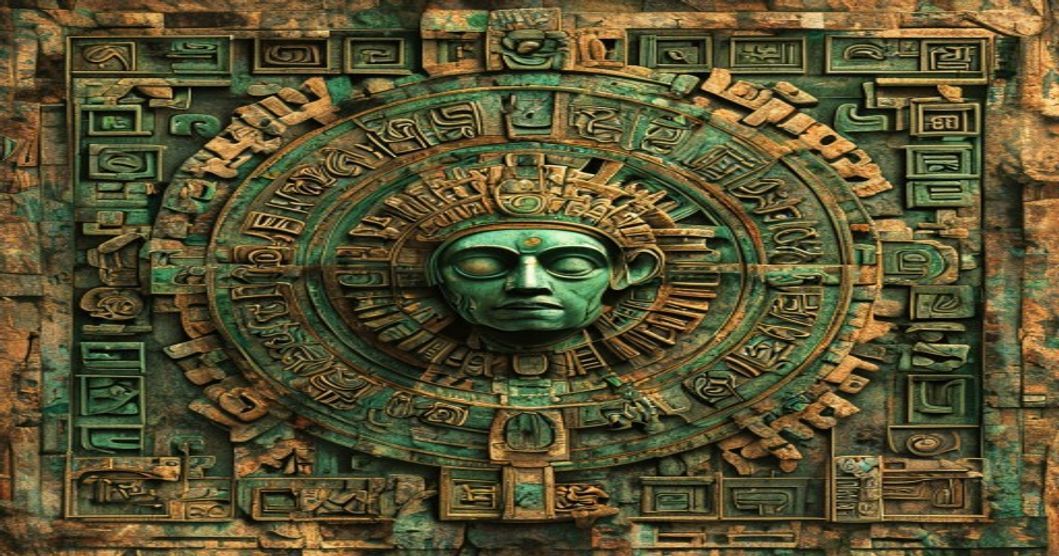
The Meaning of the Maya Nawal Day-Signs: Unlocking Ancient Symbolism
A guide to the 20 sacred day-signs of the Maya Nawal (Nahual) — their gods, attributes, and their intricate link to the 260-day Tzolk’in calendar.
Unraveling the Ancient Wisdom of the Maya Nawal
The Maya Nawal, also known as the Nahual, is a complex and fascinating aspect of Maya culture that has garnered significant attention in recent years. This intricate system of day-signs, corresponding to 20 distinct gods and goddesses, holds the key to understanding the Maya’s sophisticated cosmology and their spiritual practices. In this article, we will delve into the world of the Maya Nawal, exploring its history, symbolism, and significance in Maya culture.
The Maya Nawal is deeply rooted in the Maya’s understanding of the universe and their place within it. Each day-sign is associated with a specific god or goddess, who is believed to possess particular powers and attributes. By studying the Nawal, Maya scholars and practitioners can gain insight into the Maya’s spiritual practices, their connection to the natural world, and the intricate web of relationships between humans, gods, and the environment.
History of the Maya Nawal
The origins of the Maya Nawal are shrouded in mystery, but it is believed to date back to the Classic Period (200–900 CE) of Maya civilization. During this time, the Maya developed a sophisticated system of astronomy, which included the observation of celestial bodies and the tracking of solar and lunar cycles. The Nawal is thought to have evolved from this astronomical knowledge, incorporating elements of mythology, spirituality, and cultural practices.
Correspondences between the Nawal and the Tzolk’in Calendar
The Nawal is intricately linked to the Tzolk’in Calendar, a 260-day cycle that is considered one of the most important calendars in Maya culture. Each day of the Tzolk’in corresponds to a specific Nawal, creating a complex web of correspondences between the two systems. This relationship highlights the Maya’s sophisticated understanding of time, space, and the interconnectedness of all things.
Day-Sign Significance
Each day-sign in the Nawal is associated with a particular god or goddess, who is believed to possess unique powers and attributes. For example, the day-sign of Itzamna (the Green Corn God) is associated with fertility, abundance, and the cycles of nature. In contrast, the day-sign of Kukulkan (the Feathered Serpent God) is linked to wisdom, knowledge, and the mysteries of the universe.
Examples of Day-Sign Correspondences
| Day-Sign | Associated God / Goddess | Attributes |
|---|---|---|
| Itzamna | The Green Corn God | Fertility, abundance, cycles of nature |
| Kukulkan | The Feathered Serpent God | Wisdom, knowledge, mysteries of the universe |
| Chaac | The Rain God | Weather, agriculture, cycles of life and death |
The 20 Nawal Day-Signs — Quick Reference
Below is the canonical sequence of the 20 day-signs used in contemporary daykeeping. Select any sign to open its full study in the Mayan Library.
Imix
02 · Wind
Ikʼ
03 · Night
Akʼbʼal
04 · Maize
Kʼan
05 · Serpent
Chikchan
06 · Death
Kimi
07 · Deer
Manikʼ
08 · Star
Lamat
09 · Water
Muluk
10 · Dog
Ok
11 · Monkey
Chuwen
12 · Road
Ebʼ
13 · Reed
Bʼen
14 · Jaguar
Ix
15 · Eagle
Men
16 · Waxing
Kibʼ
17 · Earth
Kabʼan
18 · Flint
Etzʼnabʼ
19 · Storm
Kawak
20 · Sun
Ajaw
Frequently Asked Questions
The Maya Nawal serves as a tool for understanding the Maya’s spiritual practices and their connection to the natural world. By studying the Nawal, Maya scholars and practitioners can gain insight into the Maya’s cosmology, their relationship with the gods, and the intricate web of relationships between humans, gods, and the environment.
The Nawal is intricately linked to the Tzolk’in Calendar, with each day of the Tzolk’in corresponding to a specific Nawal. This relationship highlights the Maya’s sophisticated understanding of time, space, and the interconnectedness of all things.
The Maya Nawal continues to hold significance in modern times, serving as a tool for cultural revitalization and spiritual practice. By studying the Nawal, Maya scholars and practitioners can gain a deeper understanding of their cultural heritage and its relevance to contemporary society.
Explore More
For more information on the Maya Nawal and its significance in Maya culture, explore the free, open archive at Mayan Library (mayanlibrary.org). Our collection includes a wealth of information on Maya cosmology, spiritual practices, and cultural heritage, all presented in a clear and accessible manner.
References & Further Reading
- §Instituto Nacional de Arqueología e Historia (INAH) — Official Website
- §UNESCO World Heritage — Official Website
- §Mesoweb — Official Website
- §FAMSI — Official Website
- §Smithsonian NMAI Living Maya Time — Official Website
- §Smithsonian — American Indian Museum — Official Website
- §Peabody Museum Harvard — Official Website
#MayaNahual #MayaNawal #MayanAstrology #FreeReport #FreeMayanReport #FreeMayanLibrary #OpenLibrary #MayaCalendar #Tzolkin #MayaCosmology #IndigenousKnowledge